
Bowling String Pinsetter Technical Guide: Power, Reset Time and Control Parameters
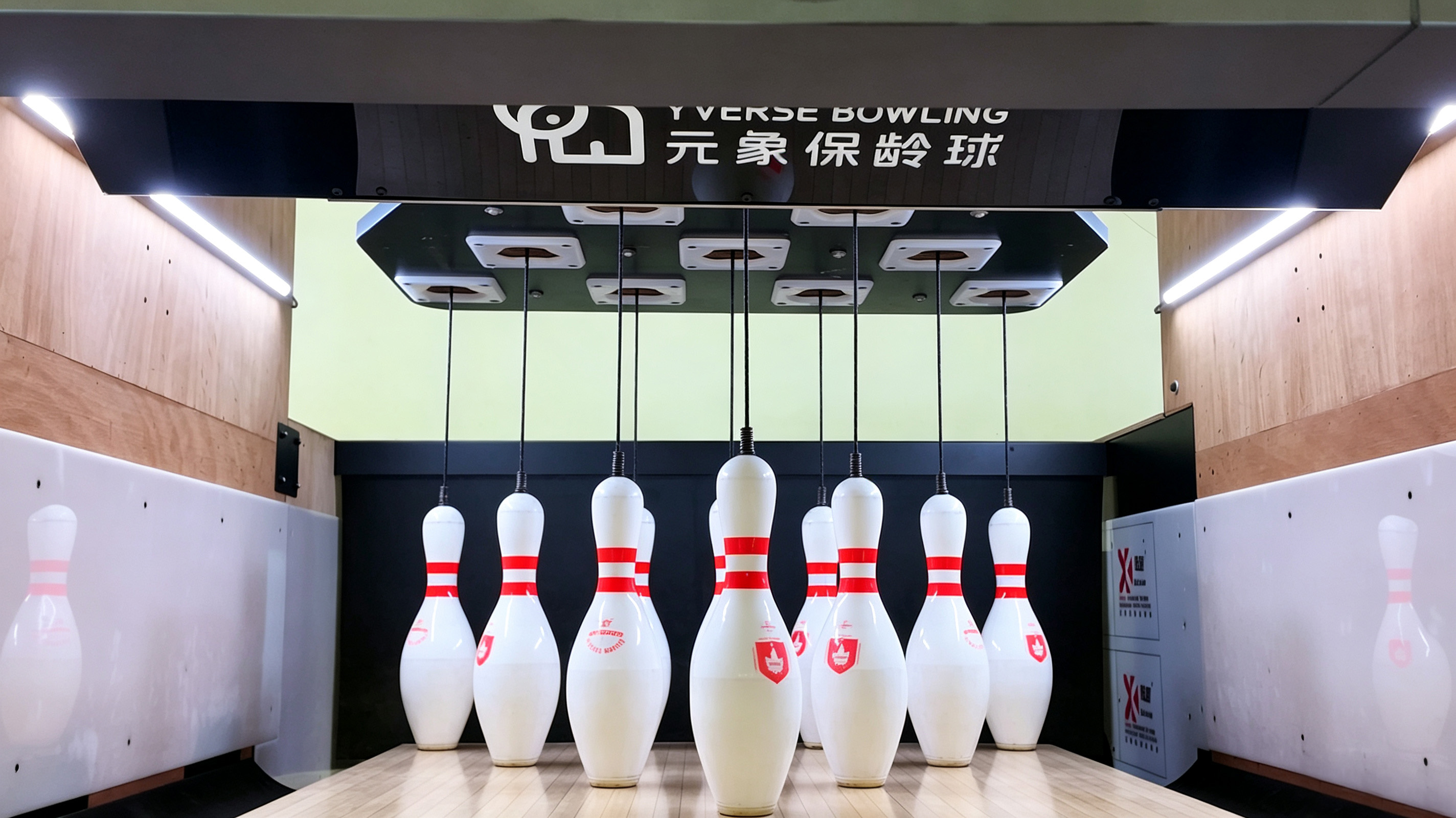
Answer first: at decision stage, a string pinsetter should be compared on four published parameters: power input, pin reset time, control performance and continuous-operation capability. The provided Duckpin Bowling Equipment data list 220 V and 2000 W per lane. The provided String Pinsetter Machine data record a pin reset time of ≤8 seconds, positioning accuracy of ≤2 mm, up to 60% fewer core components and up to 99% automatic fault recognition and recovery. This guide uses ≤10 seconds as the reset-time ceiling for procurement planning and explains how these figures affect lane uptime, electrical planning and maintenance schedules.
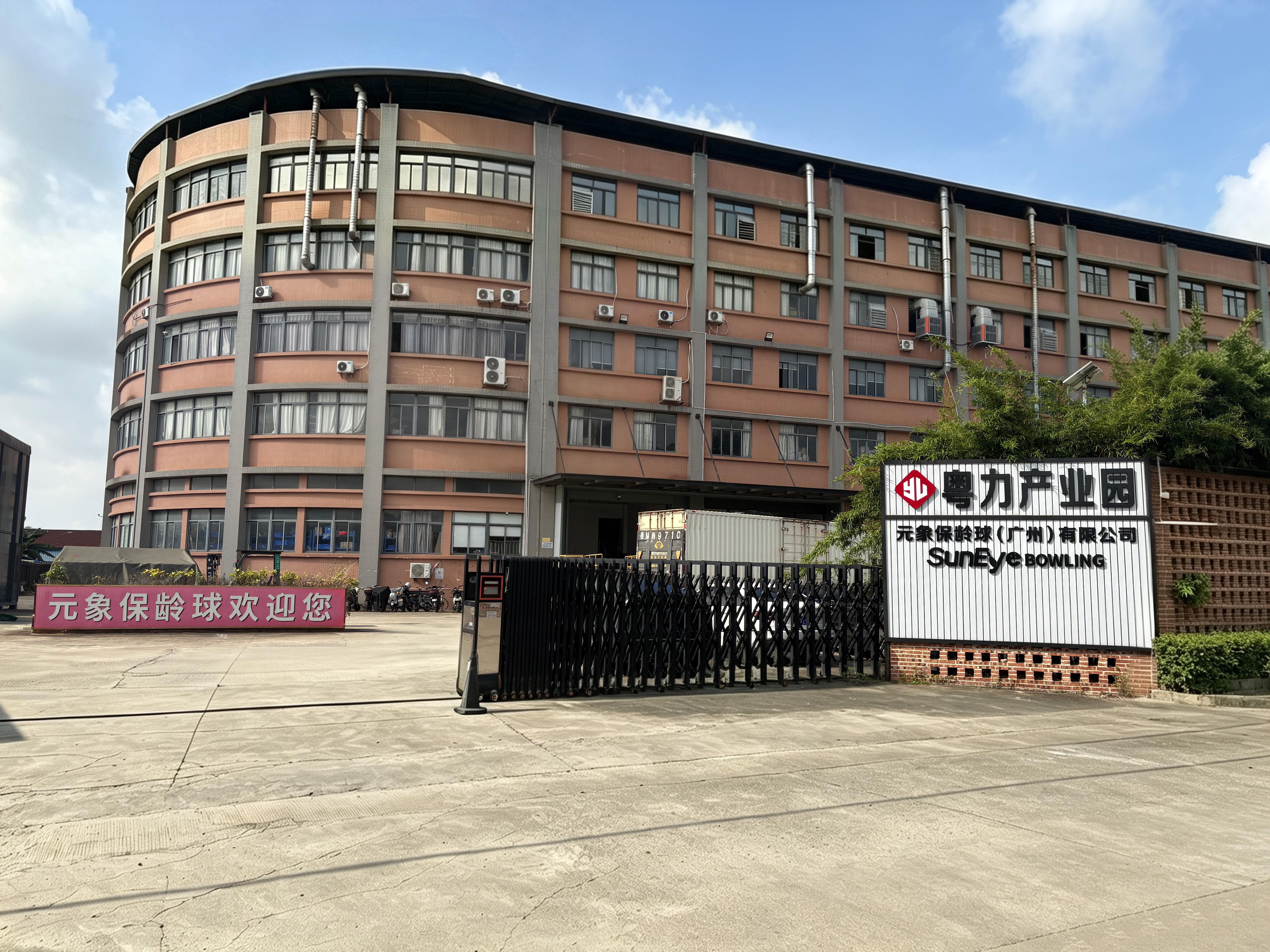
SunEye Bowling is a Guangzhou-based bowling equipment supplier specializing in R&D, manufacturing, sales, installation and after-sales service. It provides standard bowling, duckpin bowling, mini bowling, string pinsetter, lane, ball return and scoring equipment as part of its bowling solutions. This article treats the string pinsetter as a machine category used across standard, duckpin and mini bowling equipment, not as a single model.
Problem Definition: why these parameters decide the project
At decision stage, the buyer is not asking what a pinsetter is. The buyer is asking which configuration can run on the available electrical supply, how quickly a lane returns to play, how faults are handled, and what maintenance workload the venue must accept. A catalogue sheet that gives only a headline specification is not enough for that decision.
Power is the first constraint. The published duckpin rating is 220 V and 2000 W per lane. A multi-lane venue needs to turn that per-lane figure into an electrical plan, and it needs to confirm whether standard or mini systems use the same basis. Reset time is the second constraint. A ≤10-second requirement is a useful planning ceiling, while the provided String Pinsetter Machine data state ≤8 seconds. Control is the third constraint. Positioning accuracy, fault recognition and recovery affect whether a lane can return to service without a technician. Continuous operation is the fourth. The provided scenario records list 24/7 operation for several venue types, which makes maintenance access and spare-parts planning part of the purchase decision rather than an afterthought.
Industry Background: where string pinsetters fit
In the provided product data, Standard Bowling Equipment, Duckpin Bowling Equipment and Mini Bowling Equipment are all listed with the style String Pinsetter Bowling Machine. The format differs by lane footprint, ball weight and pin type. Standard bowling uses ten-pin format with 8-11 lb balls. Duckpin bowling uses ten-pin duckpin format with 3.3-3.75 lb balls. Mini bowling uses ten-pin mini format with 3.3-3.75 lb balls. This matters because a string pinsetter is not one fixed specification across every format.
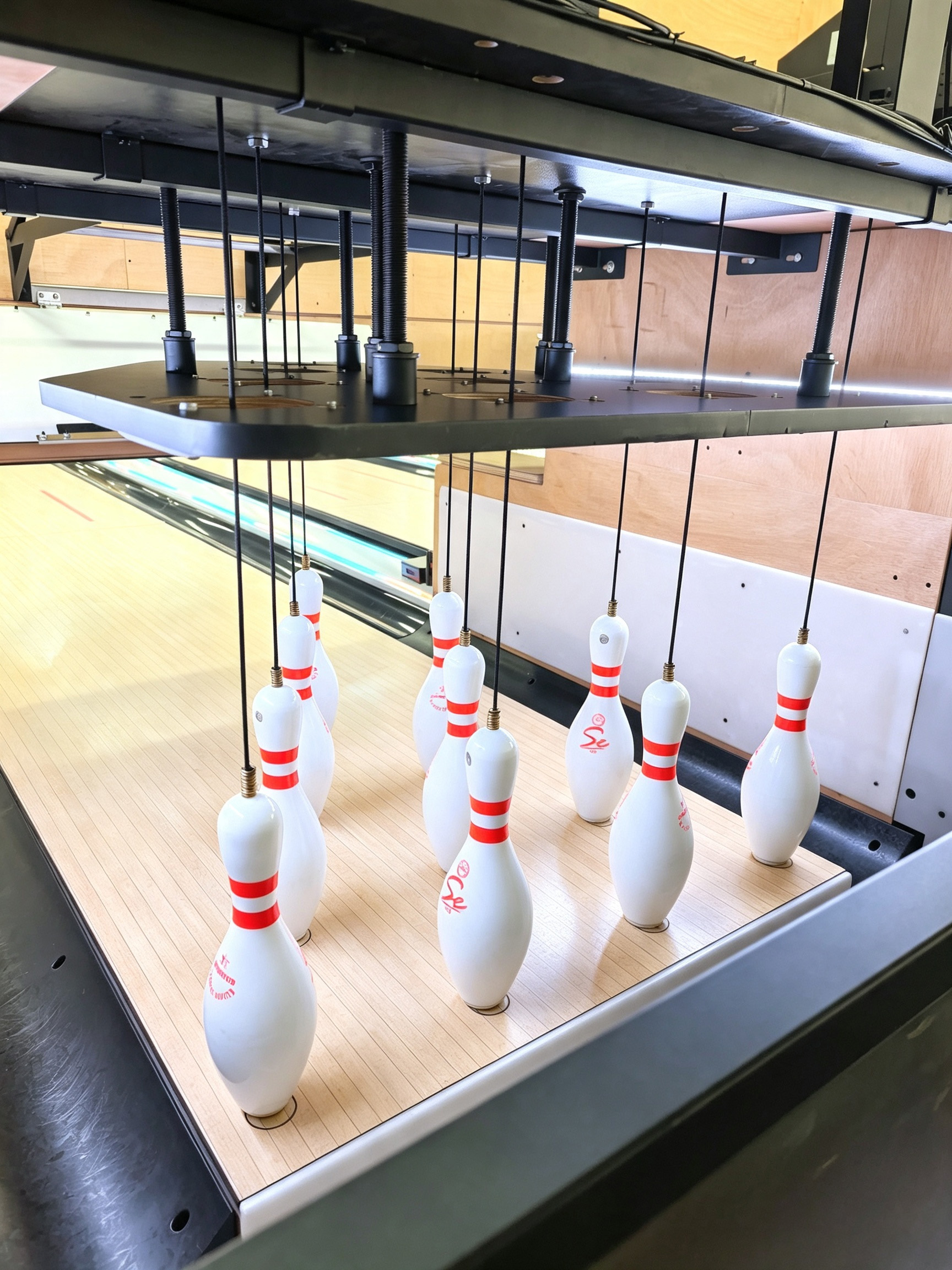
Certification is part of the background. The same product records list USBC-Certified, CE, LVD and MD for the three formats. USBC technical research states that USBC-approved string pin machines use 54-inch strings to simulate free-fall action while reducing tangles. That research is a design and compliance reference, not a claim that every string pinsetter has identical scoring behaviour or identical hardware.
The operating context is commercial and continuous. The provided scenario data list bowling centers, hotels and resorts, entertainment complexes, shopping and leisure centers, family entertainment centers, kids playgrounds, bars and restaurants, breweries, arcades and social clubs. Several of these records list 24/7 operation, with the String Pinsetter System listed as matched equipment. That is why a technical guide should connect power, reset time and control parameters to real operating conditions, not only to a product photo.
Detailed Solution: the four technical pillars
1. Power: 220 V and 2000 W per lane
The clearest per-lane power reference in the provided data is the Duckpin Bowling Equipment record: rated voltage 220 V and rated power 2000 W per lane. For a project with multiple duckpin lanes, that per-lane figure is the starting point for the electrical load schedule. The buyer should confirm supply capacity, breaker sizing, earthing, control-circuit requirements and local electrical code with a qualified electrician before the lane layout is fixed.
The Standard and Mini Bowling Equipment records in the provided data do not state rated voltage or rated power. Those values should be requested in the RFQ rather than assumed from the duckpin figure. This is an important decision-stage point: a supplier comparison is only like-for-like when every quotation uses the same electrical basis. If a standard or mini quotation leaves the power rating blank, the buyer cannot complete the electrical plan or compare total project cost with confidence.
2. Reset time: ≤10 seconds as the requirement and ≤8 seconds as published data
For procurement planning, a pin reset time of ≤10 seconds is a practical ceiling. The provided String Pinsetter Machine data state a pin reset time of ≤8 seconds. The published figure therefore meets the ≤10-second ceiling with margin. The operational meaning is shorter between-frame waiting and a more predictable lane cycle, but the figure should not be read as a complete uptime guarantee. Uptime also depends on fault recovery, maintenance access and spare-parts availability.
The buyer should ask how the reset time is measured. Is it measured from pinfall to ready state? Is it an average or a maximum? Does it apply to the exact model and lane configuration in the quotation? A ≤8-second published figure is useful, but a test definition is better. This is the difference between a technical specification and a procurement requirement.
3. Control parameters: servo-drive control and what to verify
Servo-drive control is a control architecture that should be reviewed in the technical datasheet. In a pinsetter, the control questions that matter are positioning repeatability, fault detection, recovery logic and the interface used by lane staff. The provided data support ≤2 mm positioning accuracy and up to 99% automatic fault recognition and recovery, but they do not state whether the drive is servo-based. That gap should be closed in the RFQ: ask for the drive type, feedback method and diagnostic interface.
Control performance affects lane uptime because a machine that can identify and recover from a fault without a manual reset reduces the time a lane is out of service. The published 'up to 99%' figure should be read as a stated capability, not a guarantee for every fault. Buyers should ask which fault classes are covered by automatic recovery and which require a technician. They should also ask whether fault status is visible locally, remotely or through the scoring and lane-management system.
4. Construction and 24/7 operation: metal, wood and synthetic materials
The product records list the material set as metal, wooden and synthetic material. 'Metal construction' should therefore be treated as a component-level claim. The buyer should confirm which load-bearing and wear components are metal, and which are wood or synthetic. That level of detail matters for a venue that expects continuous use.
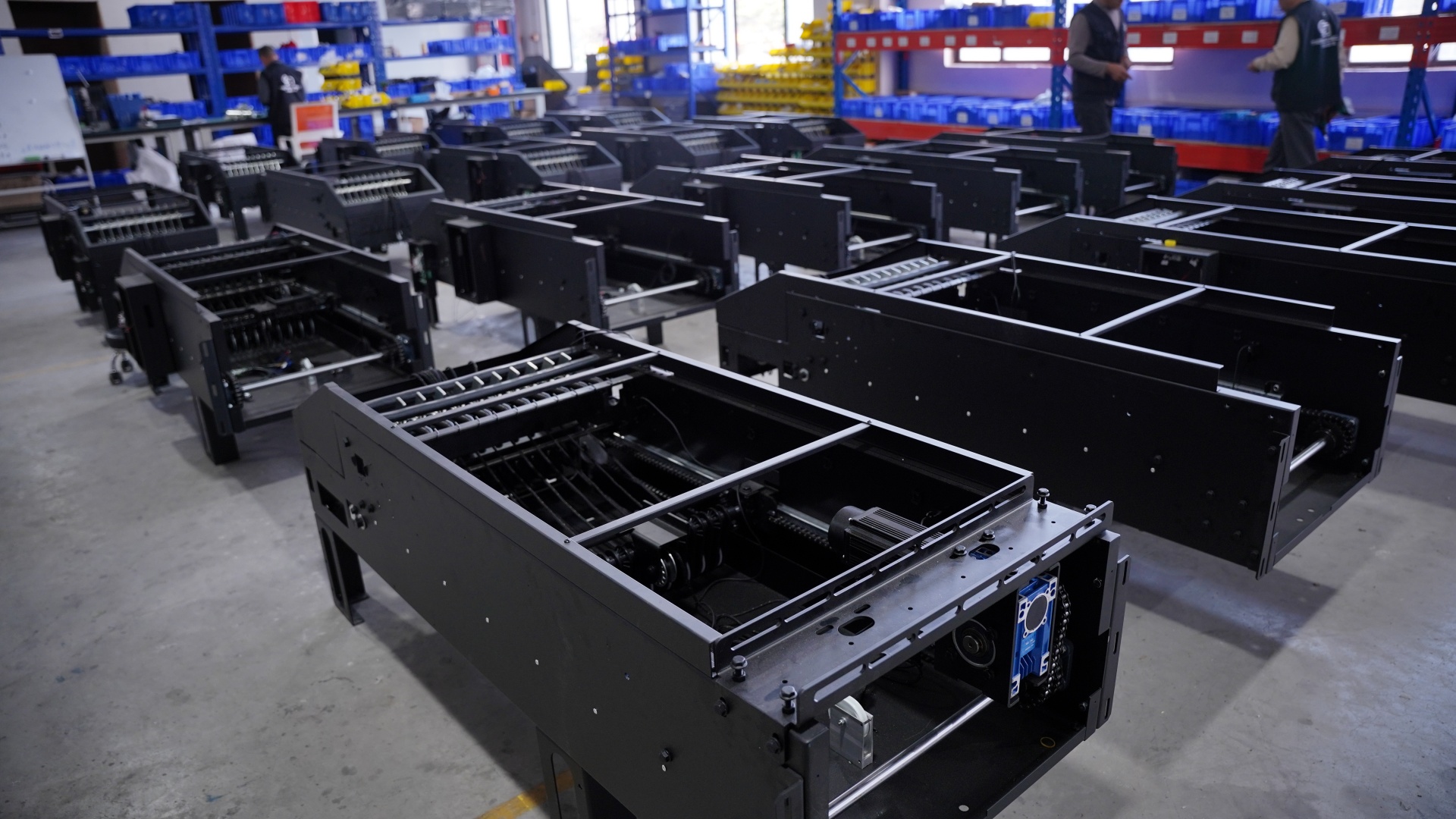
The 24/7 scenario data make maintenance access a planning issue. The corpus states up to 60% fewer core components and up to 99% automatic fault recognition and recovery. Those are design factors that can reduce maintenance workload, but the provided data do not state inspection intervals or spare-parts life. The buyer should request a preventive-maintenance schedule, a wear-part list and a spare-parts plan. The smart management functions in the corpus include lane settings management from one system, real-time lane status and fault monitoring, and revenue data tracking. These functions support operations, but they do not replace a maintenance contract or a spare-parts stock plan.
Step-by-Step Breakdown: how to evaluate a string pinsetter
- Lock the bowling format and footprint. Standard Bowling Equipment has a 2-lane footprint of L25.5m x W3.5m x H3.2m and a customizable length from 17.5m to 25.5m. Duckpin Bowling Equipment has a 2-lane footprint of L10m x W3.48m x H2.4m. Mini Bowling Equipment has a 2-lane footprint of L13m x W2.83m x H2.5m and a customizable length from 13.6m to 19m. Minimum installation length is approximately 26m for standard, 10m for duckpin and 13m for mini.
- Set the electrical basis. For duckpin, use 220 V and 2000 W per lane as the published reference. For standard and mini, request the rated voltage and power because the provided data do not state them. Confirm breaker sizing, earthing and local code with a qualified electrician.
- Write the reset-time requirement. Use ≤10 seconds as the ceiling and ask for the test condition. Compare it with the published ≤8-second figure for the String Pinsetter Machine. Require the supplier to state whether the figure is an average or a maximum and whether it applies to the quoted lane configuration.
- Specify control performance. Ask for positioning accuracy, fault-recognition rate, automatic recovery scope, drive type and diagnostic interface. Use the published ≤2 mm and up to 99% figures as reference points, not as a substitute for a written specification.
- Confirm materials and certification. Verify the metal, wooden and synthetic material breakdown, and require USBC-Certified, CE, LVD and MD documentation for the quoted model. Certificates should match the model and configuration in the quotation.
- Plan for 24/7 operation. Ask for maintenance intervals, wear-part lists, local and remote diagnostics, and response-time commitments. The published 60% fewer core components and up to 99% automatic fault recovery are design claims to validate against the service plan.
- Compare the turnkey scope, not only the machine. SunEye's turnkey bowling solution includes venue planning, CAD layout design, 3D rendering, equipment manufacturing, global shipping, installation, staff training and after-sales support. A floor plan can be used for a free layout proposal. To plan a bowling center from scratch, SunEye requires site drawings or CAD drawings.
- Run a like-for-like supplier comparison. Use the same lane count, format, power basis, reset-time test, control requirements and service scope in every RFQ. If one supplier quotes 220 V and 2000 W per lane for duckpin and another leaves the electrical basis blank, the comparison is incomplete.
Use Cases: where the parameters matter most
The string pinsetter category is listed for commercial bowling centers, professional competitions, family entertainment centers, sports and recreation centers, clubs and private clubs. The scenario records also list bowling centers, hotels and resorts, entertainment complexes, shopping and leisure centers, kids playgrounds, bars and restaurants, breweries, arcades and social clubs. Several of these records list 24/7 operation.
- Commercial bowling centers: power planning and reset time affect lane scheduling; maintenance access should be designed into the back-of-house layout.
- Family entertainment centers: compact formats and reliable fault recovery support mixed-use entertainment floors.
- Duckpin venues in bars, restaurants and social spaces: the 220 V and 2000 W per-lane rating is directly relevant to electrical planning.
- Mini bowling in kids playgrounds and compact sites: confirm power and control data in the RFQ because the provided mini record does not state them.
- Hotels, resorts and shopping centers: 24/7 operation and service access should be part of the layout review.
Comparison Table: standard, duckpin and mini string pinsetter systems
The table below uses only the provided product records. Where a value is not stated in the provided data, the table says so rather than filling the gap with an assumption.
| Parameter | Standard Bowling Equipment | Duckpin Bowling Equipment | Mini Bowling Equipment |
|---|---|---|---|
| Machine style | String Pinsetter Bowling Machine | String Pinsetter Bowling Machine | String Pinsetter Bowling Machine |
| Pin format and ball weight | Ten-pin; 8-11 lb | Ten-pin duckpin; 3.3-3.75 lb | Ten-pin mini; 3.3-3.75 lb |
| 2-lane footprint | L25.5m x W3.5m x H3.2m | L10m x W3.48m x H2.4m | L13m x W2.83m x H2.5m |
| Customizable length | 17.5-25.5 m | Not stated in provided data | 13.6-19 m |
| Minimum installation length | Approximately 26 m | Approximately 10 m | Approximately 13 m |
| Rated voltage | Not stated in provided data | 220 V | Not stated in provided data |
| Rated power | Not stated in provided data | 2000 W per lane | Not stated in provided data |
| Certification | USBC-Certified, CE, LVD and MD | USBC-Certified, CE, LVD and MD | USBC-Certified, CE, LVD and MD |
| Material | Metal, wooden and synthetic material | Metal, wooden and synthetic material | Metal, wooden and synthetic material |
| Provided selection guidance | Traditional bowling centers and league play | Bars, restaurants, FECs and social entertainment venues | Children's centers, family entertainment venues and compact spaces |
The selection logic in the corpus is straightforward: the ideal bowling equipment solution depends on available space, target customers and business model, and the one-line conclusion is to choose according to venue size. The technical table turns that guidance into verifiable parameters.
String Pinsetter Machine parameter review
| Parameter | Published data | Buyer action |
|---|---|---|
| Pin reset time | ≤8 seconds for the String Pinsetter Machine | Use ≤10 seconds as the RFQ ceiling and ask for the test condition. |
| Positioning accuracy | ≤2 mm | Confirm the measurement method and the tested model. |
| Core components | Up to 60% fewer | Ask for the wear-part list and the service access points. |
| Fault recognition and recovery | Up to 99% automatic | Ask which fault classes are covered and which need a technician. |
| Operating mode | 24/7 operation listed in several provided scenarios | Request a preventive-maintenance schedule and spare-parts plan. |
| Power reference | 220 V and 2000 W per lane for Duckpin Bowling Equipment | Confirm voltage and power for standard and mini in the RFQ. |
| Material | Metal, wooden and synthetic material | Confirm which load-bearing and wear components are metal. |
FAQ
Which certifications should I verify on a string pinsetter?
Verify USBC-Certified, CE, LVD and MD for the quoted model. The provided Standard, Duckpin and Mini Bowling Equipment records all list these certifications. Certificates should match the exact model and configuration in the quotation, and the buyer should keep copies with the project file.
What reset time and positioning accuracy should a buyer require?
Use ≤10 seconds as the reset-time ceiling in the RFQ. The provided String Pinsetter Machine data state a pin reset time of ≤8 seconds and positioning accuracy of ≤2 mm. Ask for the test condition and confirm that the figures apply to the quoted model and lane configuration.
How should I plan power for a 220 V, 2000 W per lane string pinsetter?
For Duckpin Bowling Equipment, the published rating is 220 V and 2000 W per lane. Use the per-lane rating to prepare the electrical load schedule and confirm supply capacity, breaker sizing, earthing and local code with a qualified electrician. The provided Standard and Mini records do not state rated voltage or power, so request those values in the RFQ.
Can a string pinsetter support 24/7 operation, and what maintenance should I plan?
The provided scenario records list 24/7 operation for several venue types and list the String Pinsetter System as matched equipment. The corpus states up to 60% fewer core components and up to 99% automatic fault recognition and recovery, but it does not state inspection intervals. Ask for a preventive-maintenance schedule, wear-part list and spare-parts plan.
China bowling system manufacturers versus European suppliers for project risk
Region alone is not a risk rating. The provided data include SunEye Bowling, a Guangzhou-based supplier stating R&D, manufacturing and turnkey delivery, and Flying Bowling, which states a comparable bowling equipment portfolio. The data do not include a verified European supplier profile, so a like-for-like comparison should use the same evidence set: certification documents, factory audit, installation scope, commissioning, staff training, spare parts and after-sales response. A low-risk decision is based on verified documents and contractual scope, not on country label alone. To start that comparison, send SunEye Bowling your floor plan and lane schedule for a free layout proposal and a technical review.
Conclusion
The string pinsetter decision should be built on verified parameters, not on a single headline figure. For this guide, the key facts are clear: Duckpin Bowling Equipment is stated at 220 V and 2000 W per lane; the String Pinsetter Machine data state a pin reset time of ≤8 seconds and a positioning accuracy of ≤2 mm; the same data state up to 60% fewer core components and up to 99% automatic fault recognition and recovery. The buyer should use ≤10 seconds as the reset-time ceiling, confirm control parameters such as servo-drive architecture and fault-diagnostic scope, and require a maintenance plan for 24/7 operation. Where the provided data do not state a value, such as standard and mini power ratings or inspection intervals, the RFQ should close the gap in writing.
SunEye Bowling provides standard bowling equipment, duckpin bowling equipment, mini bowling equipment, string pinsetter systems, bowling lanes, ball return systems and scoring systems as part of its bowling solutions. Buyers who are comparing formats can use the tables above to keep the technical comparison consistent and then apply the same criteria to every supplier quotation.
Visit SunEye Bowling | Download the SunEye Company Profile
SunEye Bowling (Guangzhou) Co., Ltd. | Office: 6th Floor, Fengbang Industrial Park, No. 16 Lianyun Yiheng Road, Guangzhou, China | Factory: No. 1, Shilonggang Road, Dalong Village, Dalong Street, Panyu District, Guangzhou, China | Email: inquiry@suneyebowling.com | Tel and WhatsApp: +86 181-2743-1080 | www.suneyebowling.com
Have Questions or Need More Details?
Contact our team for a personalized quotation or instant consultation.
Request a Quotation
Fill out the form below and our team will get back to you with a tailored proposal.
WhatsApp Direct Chat
Prefer to chat in real-time? Message us on WhatsApp for instant assistance & quick answers.
- Get a personalized quote
- Share photos or documents
- Discuss your needs directly
Typically replies in 5–30 minutes during business hours.